

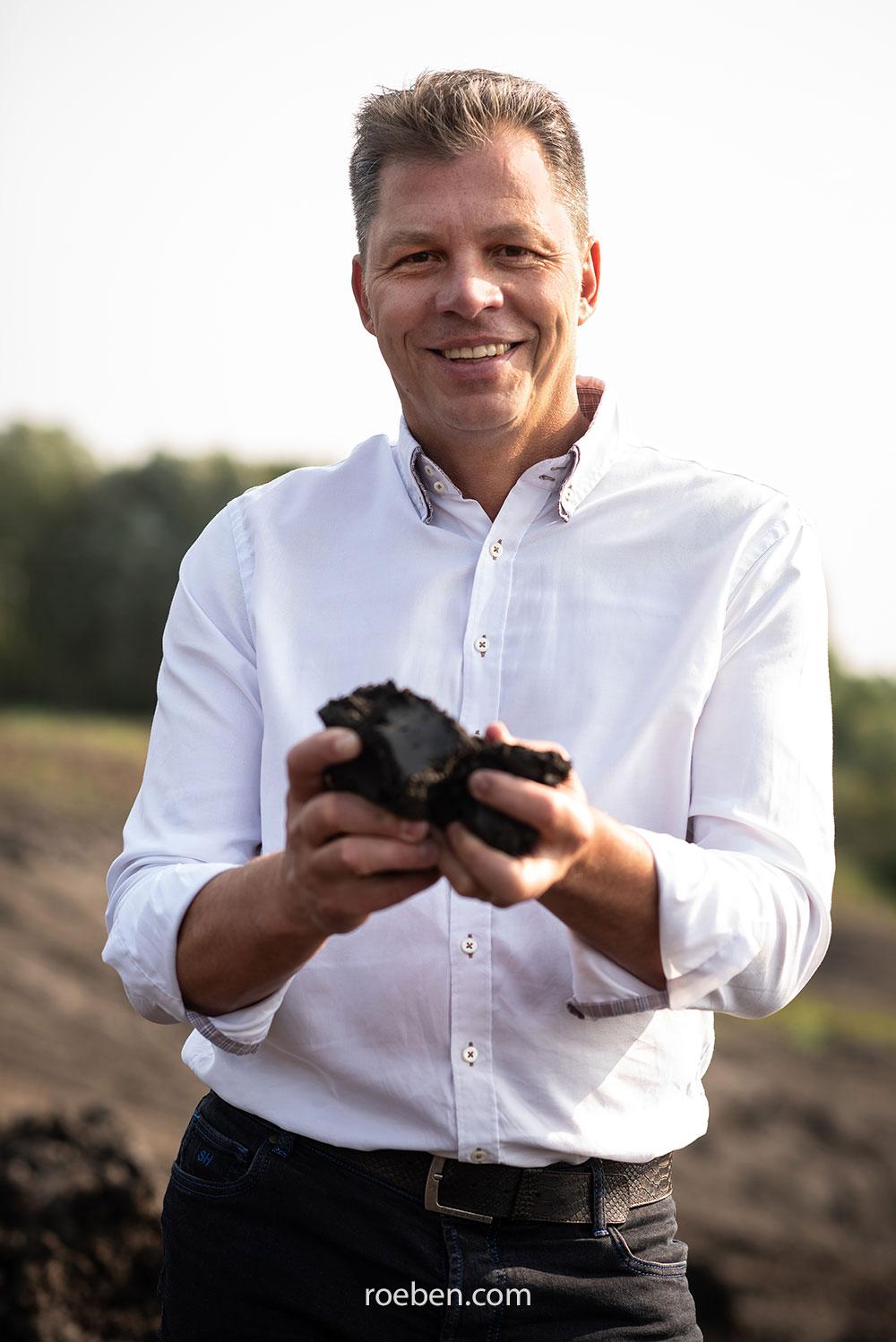
“Earth, water, air, and fire—those who build with bricks are always in close harmony with nature. There’s hardly a gentler or more sustainable way for builders to interact with their environment.”
Natural clay is fired in a kiln to form bricks. Their tremendous durability and virtually unlimited lifespan, as well as the ability to recycle or even completely reuse them, make bricks an exceptionally sustainable building material for the future.
For many years, Röben has been committed—with great dedication and visible success—to making its production processes more sustainable, step by step. Based on our certified environmental management system (EMS) and our energy management system—which has been in place since 2012 and is also certified—we are continuously working to systematically reduce energy consumption and steadily improve the responsible use of natural resources throughout our entire production environment. The brick industry is already experimenting with alternative firing processes: one example being one pilot project´s goal to produce bricks using green hydrogen.
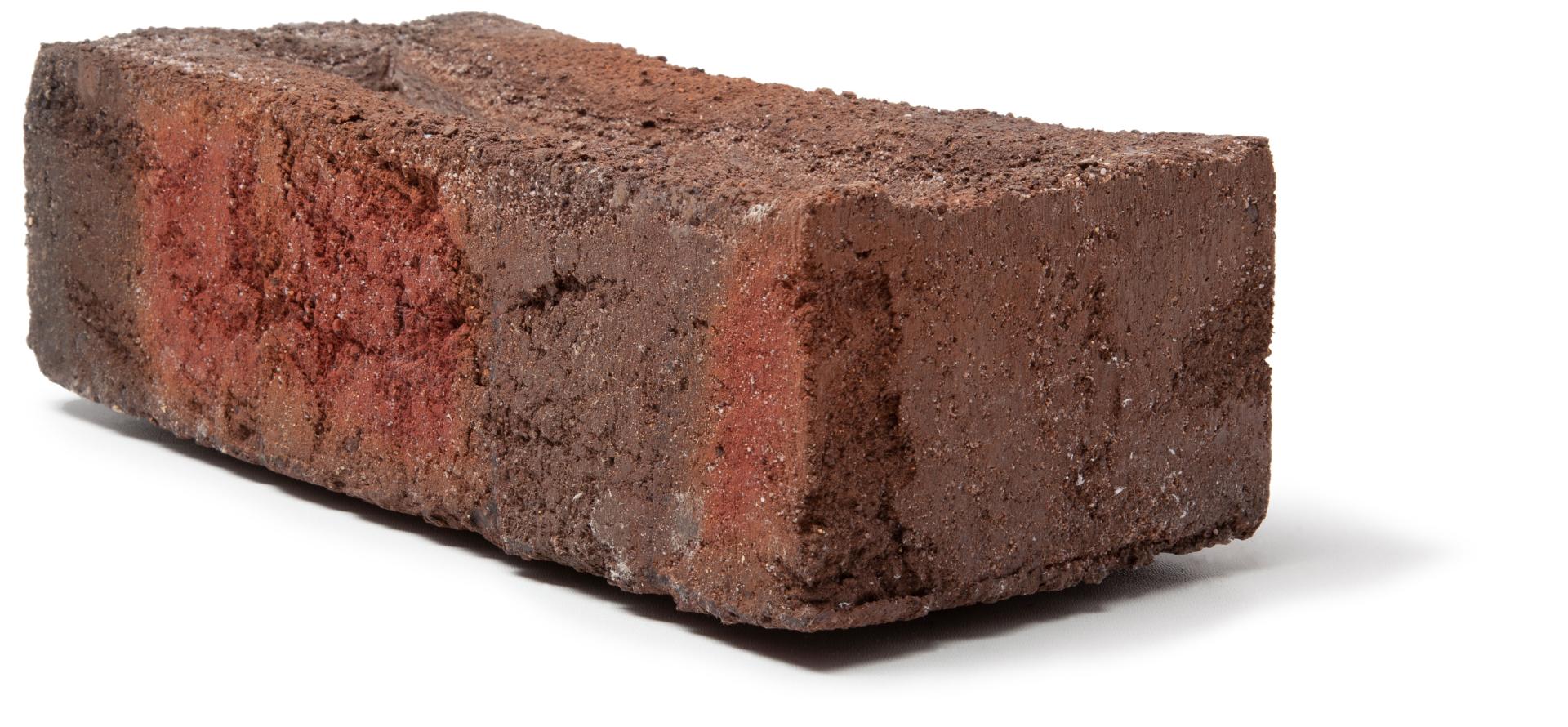
"Sustainability also means that a product contributes to the aesthetics of a building and its surroundings—and does so for a very, very long time! Bricks do just that."
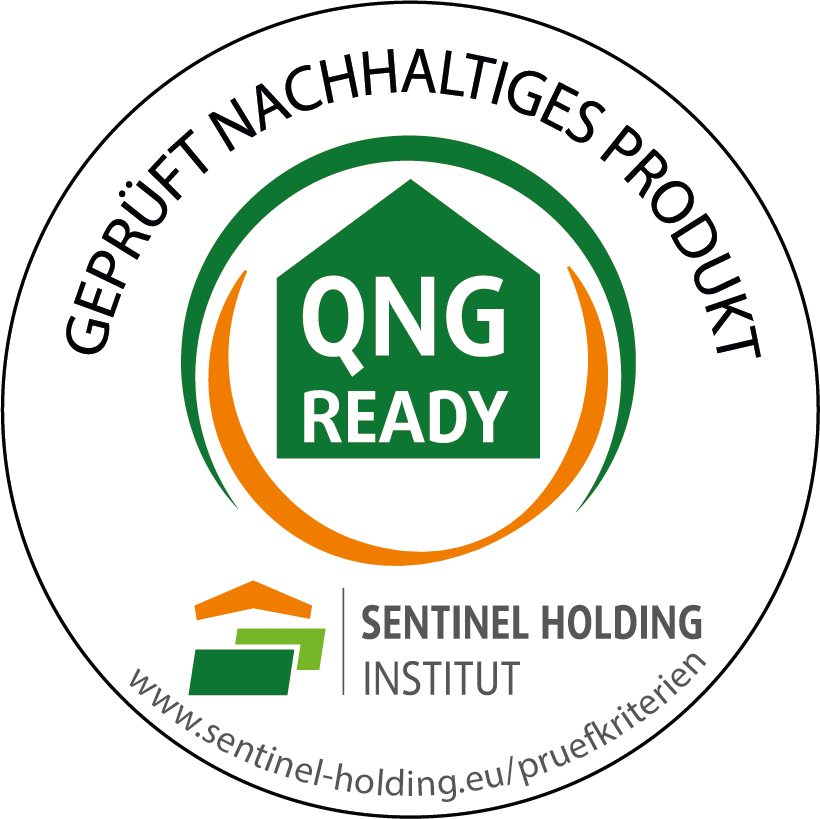
QNG Certification
Röben is the first brick manufacturer to be listed with the Quality Seal for Sustainable Buildings (QNG-ready). In addition, our brick slips and roof tiles are also QNG-ready certified.
Developed by the Federal Ministry of Housing, Urban Development, and Construction, this seal promotes a uniform understanding of sustainability while also establishing a basis for the allocation of KfW subsidies. Certified products meet specific requirements for ecological, sociocultural, and economic quality in buildings. Rather than focusing solely on energy consumption during use, this certification takes into account the entire life cycle—from manufacturing to the eventual recycling of the materials used—as well as the impact on health.
In collaboration with the Federal Association of the German Brick Industry (BVZi), Röben’s efforts toward climate neutrality were documented. Brick recycling, in particular, played a key role in this process. In the video: Röben Plant Manager Steffen Hennicke and BVZi CEO Attila Gerhäuser. You can watch the video here.
Modern Energy and Environmental Management
Röben was one of the first companies in the brick industry to receive the globally recognized DIN EN ISO 50001 certification for its energy management system at all of its German locations. Nearly closed-loop heat cycles—in which, for example, waste heat from one process is used in another production step—significantly reduce energy consumption. The widely used pallet wraps for protecting bricks—which require significant energy to heat and “shrink”—are being used less and less at Röben. The modern energy management system continuously identifies further opportunities for optimization.
As early as 2011, Röben began aligning its production and administrative operations at all German plants with the requirements and specifications of the ISO standard. The manufacture of all Röben products is therefore resource-efficient, energy-saving, and environmentally friendly. Röben keeps its plants at the cutting edge of technology and has thus been able to continuously reduce specific energy consumption in recent years. The Röben Environmental Management System (EMS) is certified to ISO 14001.
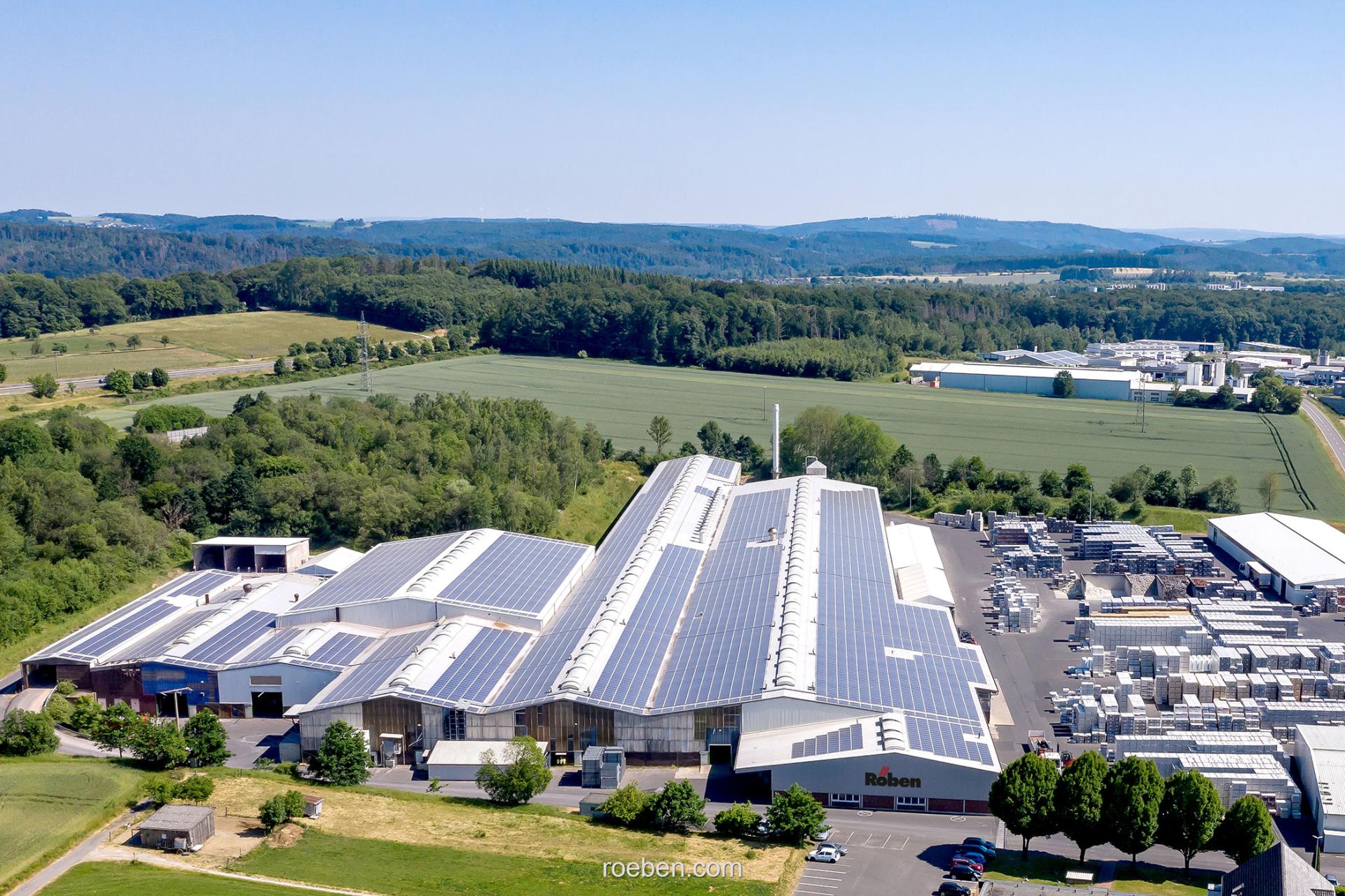
Green Electricity from the Factory Roof
A highly efficient photovoltaic system was installed on the production hall roof at the Bannberscheid plant, covering an area of 24,500 m². It has a capacity of up to 2,350 kW. By way of comparison: At full capacity, the plant consumes approximately 1,650 kW. The annual electricity yield is up to 2,000,000 kWh, equivalent to the consumption of about 500 households. The CO₂ savings amount to 1,280 metric tons per year—equivalent to approximately 6,500,000 kilometers driven in a mid-size car or 750,000 kilometers driven in a 40-metric-ton truck. Surplus electricity is fed into the grid.
At the Querenstede site near Bad Zwischenahn, a photovoltaic system covering approximately 5 hectares generates solar power. Its peak output is around 5,700 kW. This environmentally friendly energy is used directly in production at the two clinker plants, resulting in annual CO₂ emissions savings of approximately 2,600 metric tons.
Additional PV and wind power plants at various Röben plant sites are in planning.
Raw Materials at the Plant Site
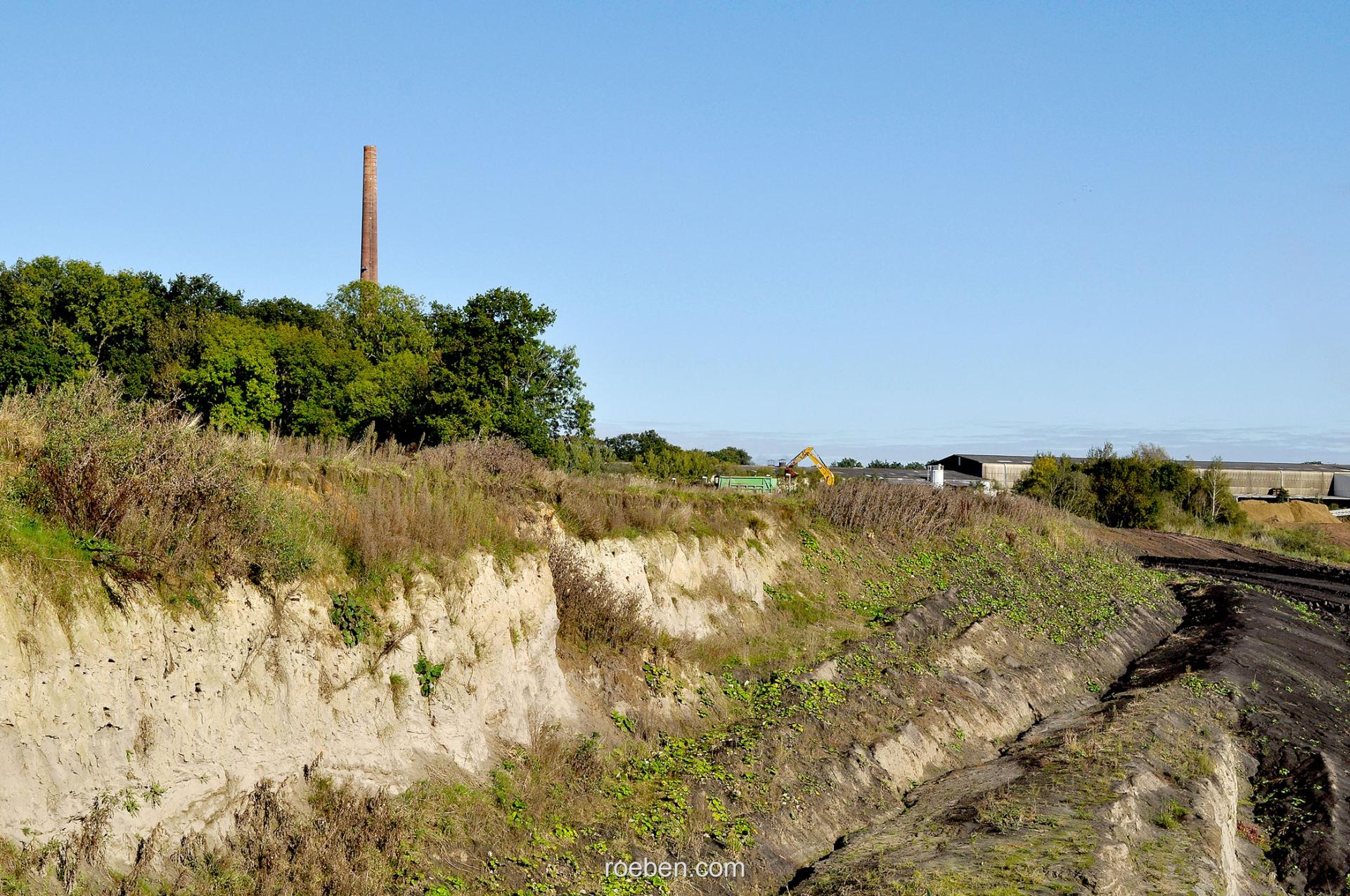
The clay is practically right on our doorstep: The location of the raw material deposits near the Röben plant sites ensures short, energy-efficient transport routes—all that’s needed here is a conveyor belt. A building material from the region.
And the sand martins have immediately taken to the exposed edges of the upper sandy clay layers at the edges of the quarry to build their nesting burrows.
Restoration of the Clay Pits
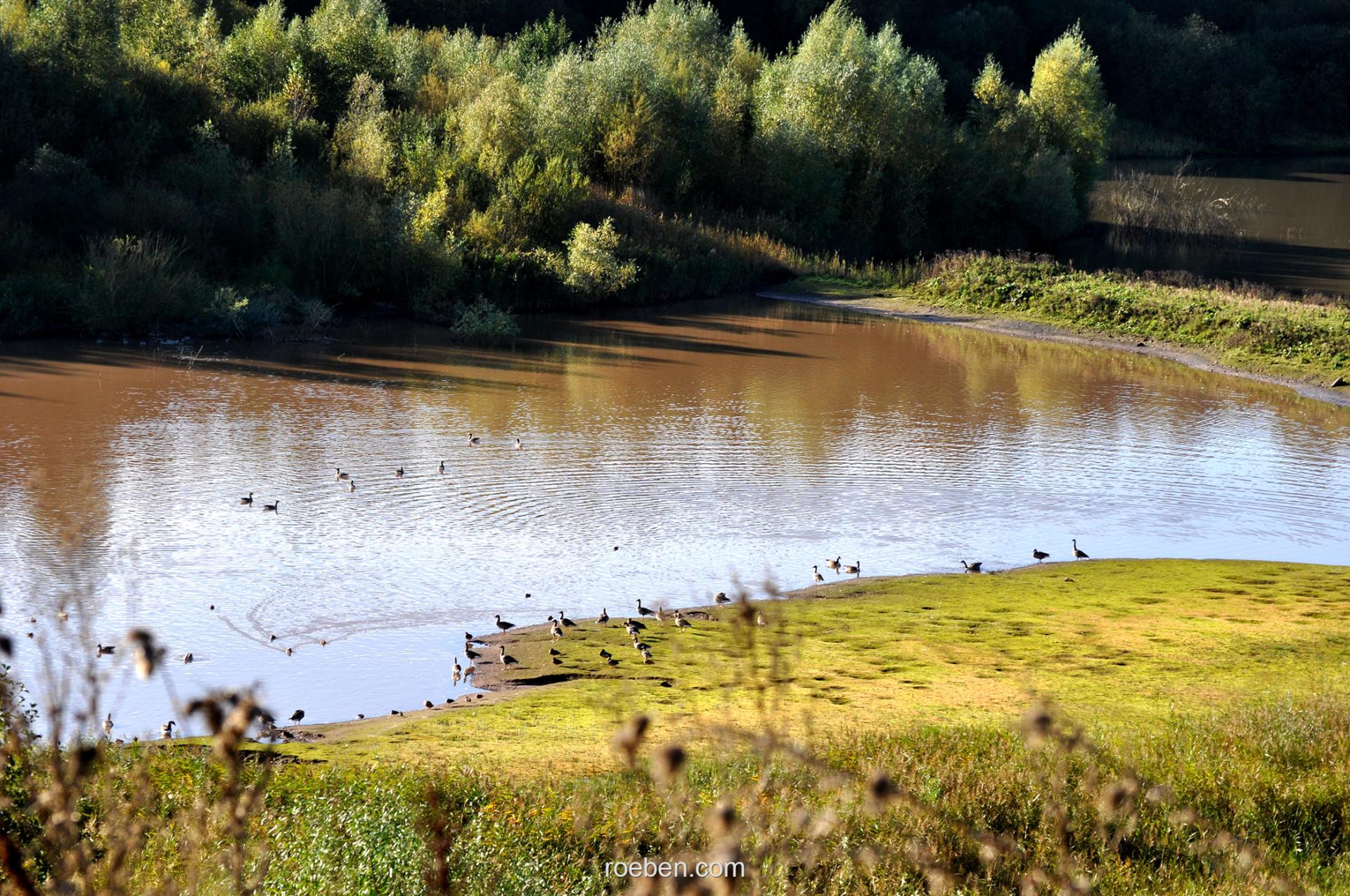
In the no longer used areas of the clay pit, animals and plants find an exceptionally diverse habitat—one that even the agriculture previously practiced there could not provide. Thick belts of reeds, dense undergrowth, and native wild plants and trees—which colonize the area in a very short time—now provide shelter and food for a wide variety of living creatures. NABU regularly documents the increasing biodiversity and the various migratory birds that use our former clay pit as a resting stop on their journey south.
Durability
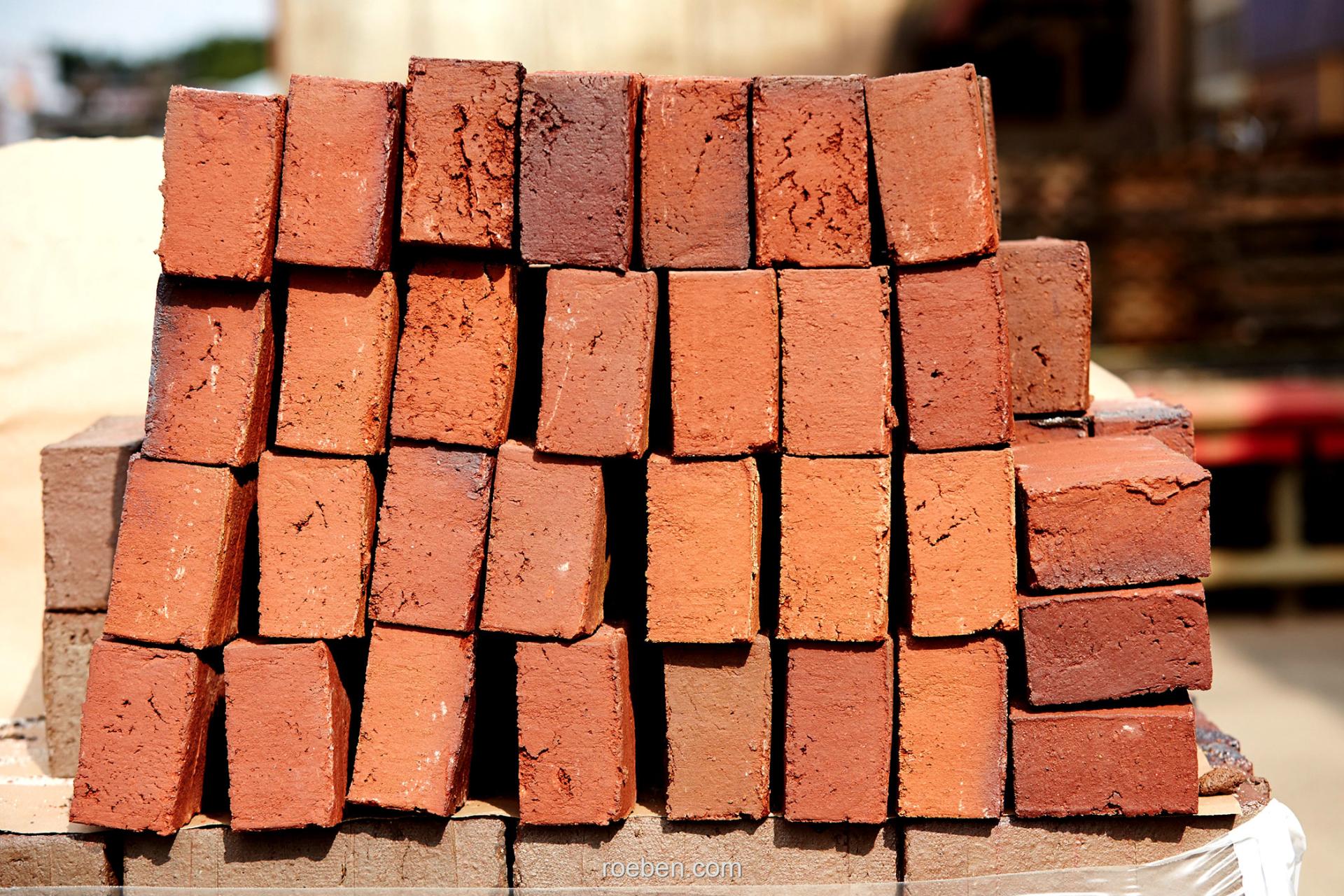
A brick lasts well beyond the lifespan of a house—100 years is “nothing” for this hard-fired, ceramic building material. One could almost say its lifespan is practically unlimited. This allows a house to be inhabited for several generations. Protection against rain and moisture, heat and cold, fire, and sound: Bricks provide all of this for many, many decades, safeguarding the valuable building structure without the slightest loss of their structural properties. That’s what makes bricks so reliable—and so sustainable.
Vertical Kiln Loading—Less CO2!
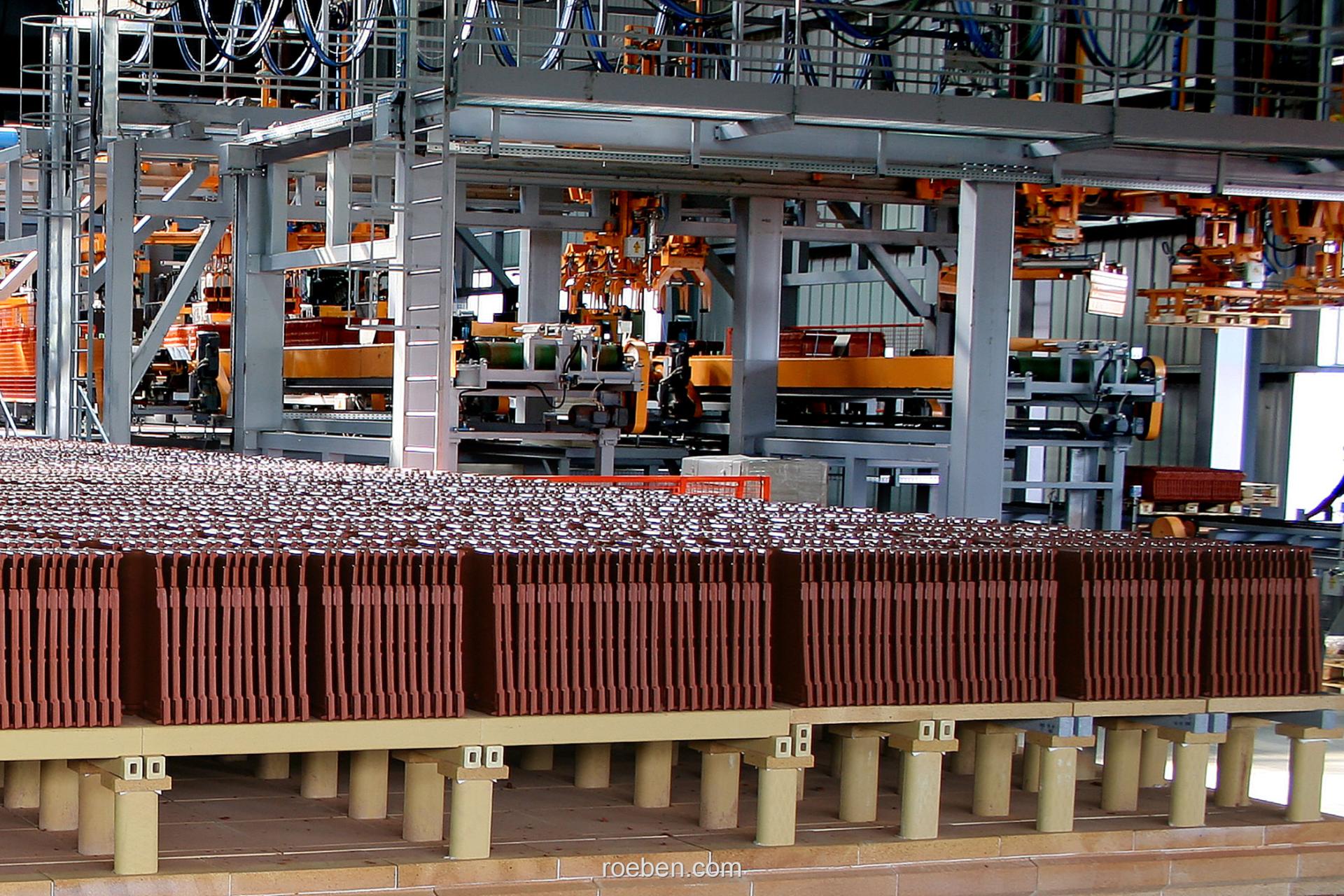
Röben has decided to fire the roof tiles in an upright position on the kiln car. Technically, this is very challenging, but the effort is well worth it: Compared to the conventional firing process used by other manufacturers, in which the tiles are fired lying flat in cassettes, CO₂ emissions can be significantly reduced. This represents a special effort for Röben, but one that further advances the sustainability of our tiles.
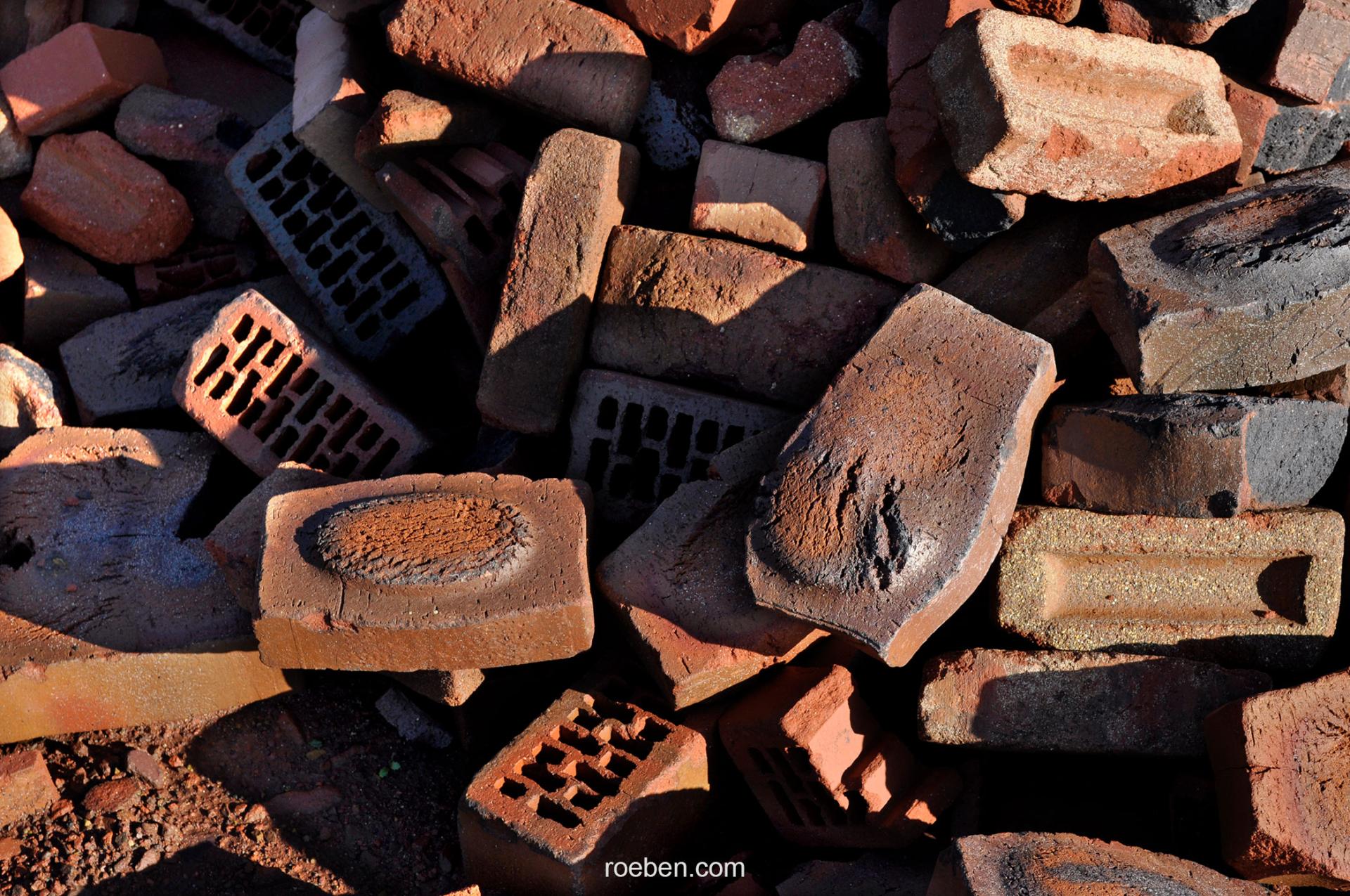
Recycling
Broken bricks aren’t waste - they’re a resource. Röben grinds bricks that were rejected during post-firing quality control into brick dust, which is then mixed back into the clay. This way, the rich clay is “leaned" - not with sand, but with brick dust - to ensure a perfect firing result. Unfired clay from the production process is, in any case, immediately reincorporated into the mix. Nevertheless, minimizing broken bricks remains a top priority—and Röben ranks among the very best in the industry in this regard.
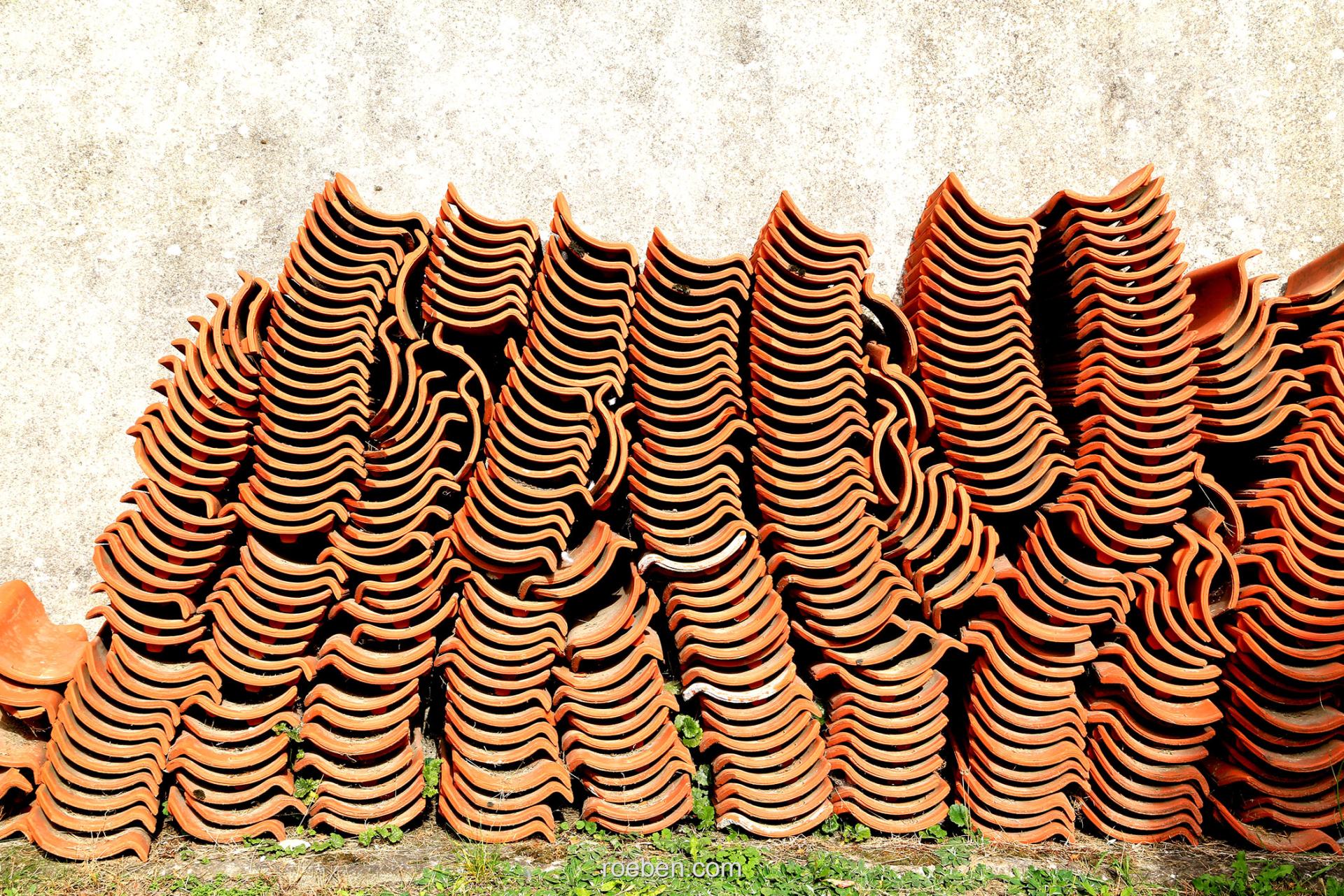
Reuse
Ceramics can last for millennia, as archaeological finds show. And even if a brick is “only” a few hundred years old, it can of course be reused as a brick—usually without any loss of its structural properties. This option is particularly common in historic preservation. Here are the removed roof tiles from a partially renovated monastery complex, which—provided they were not mechanically damaged—could be reused to re-roof another area.
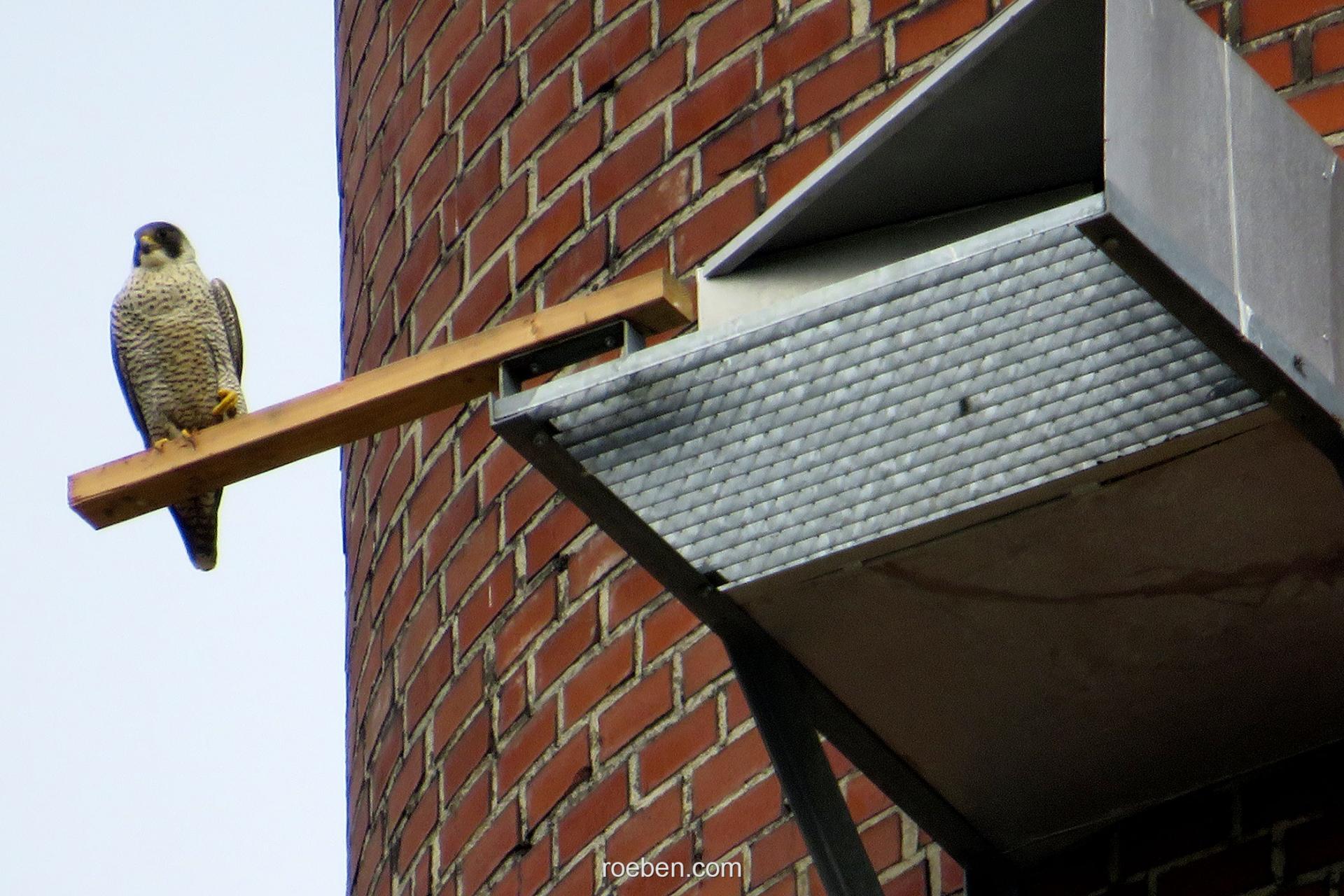
"Our" Peregrine Falcons
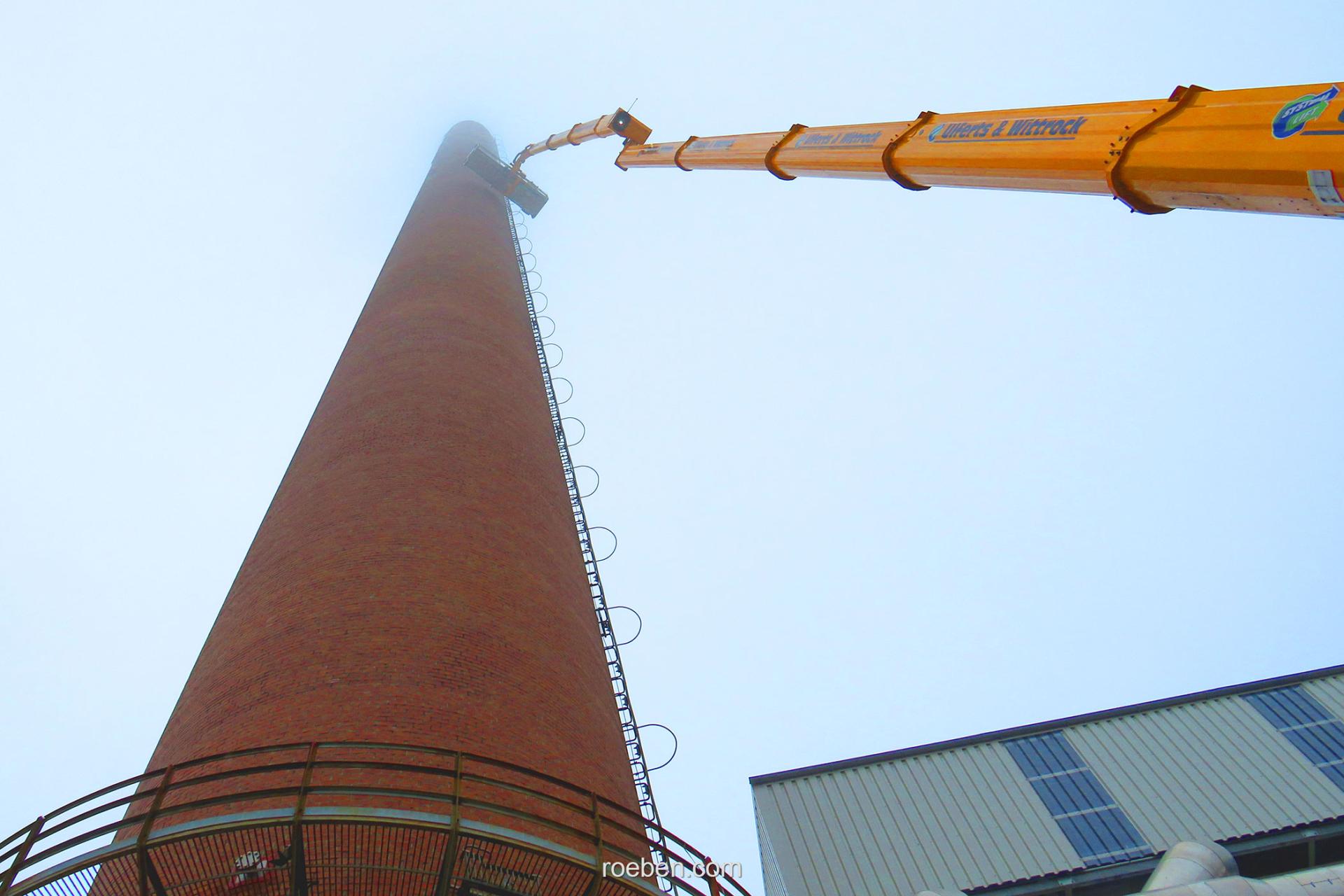
In collaboration with NABU, we installed a nesting box for peregrine falcons on our brickworks chimney at a height of 60 meters in 2021. The peregrine falcon (Falco peregrinus) has a body length of 34 to 58 centimeters and a wingspan of about 80 to 120 centimeters. Already in the first year, a breeding pair settled in, and they have been raising their young here every year since. We are, of course, very happy about this, and in a way, they’ve already become part of the Röben family.
Our Guidelines
Röben’s corporate values are clear guidelines that define its actions and culture:
- Commitment: Integrity and reliability are our cornerstones. We keep our promises and take responsibility for our actions, which are based on trust and long-term partnerships.
- Sustainability: Environmental responsibility is essential to us. As a family-owned business, sustainability means using energy and natural resources efficiently, taking responsibility for current and future generations, and fulfilling our economic responsibilities over the long term.
- Customer Focus: Our customers are our partners, but also our employers. They have our full appreciation.
- Uncompromising Quality: We strive for the highest quality—in our processes, in production, and in our interactions with one another.
- Accessibility: Open communication is important to us. We want to be accessible to our customers, employees, and partners and offer quick solutions.
- Family-like atmosphere: We foster an environment where everyone feels valued and supported, and where collaboration is central. As a medium-sized company, personal connection, flexibility, and individualized support are important to us.
- Curiosity and a willingness to learn: Curiosity drives us forward. We strive to continually learn and find innovative solutions to meet evolving needs.
These values are embedded n every facet of the company and serve as a guide for our daily actions and strategic decisions.
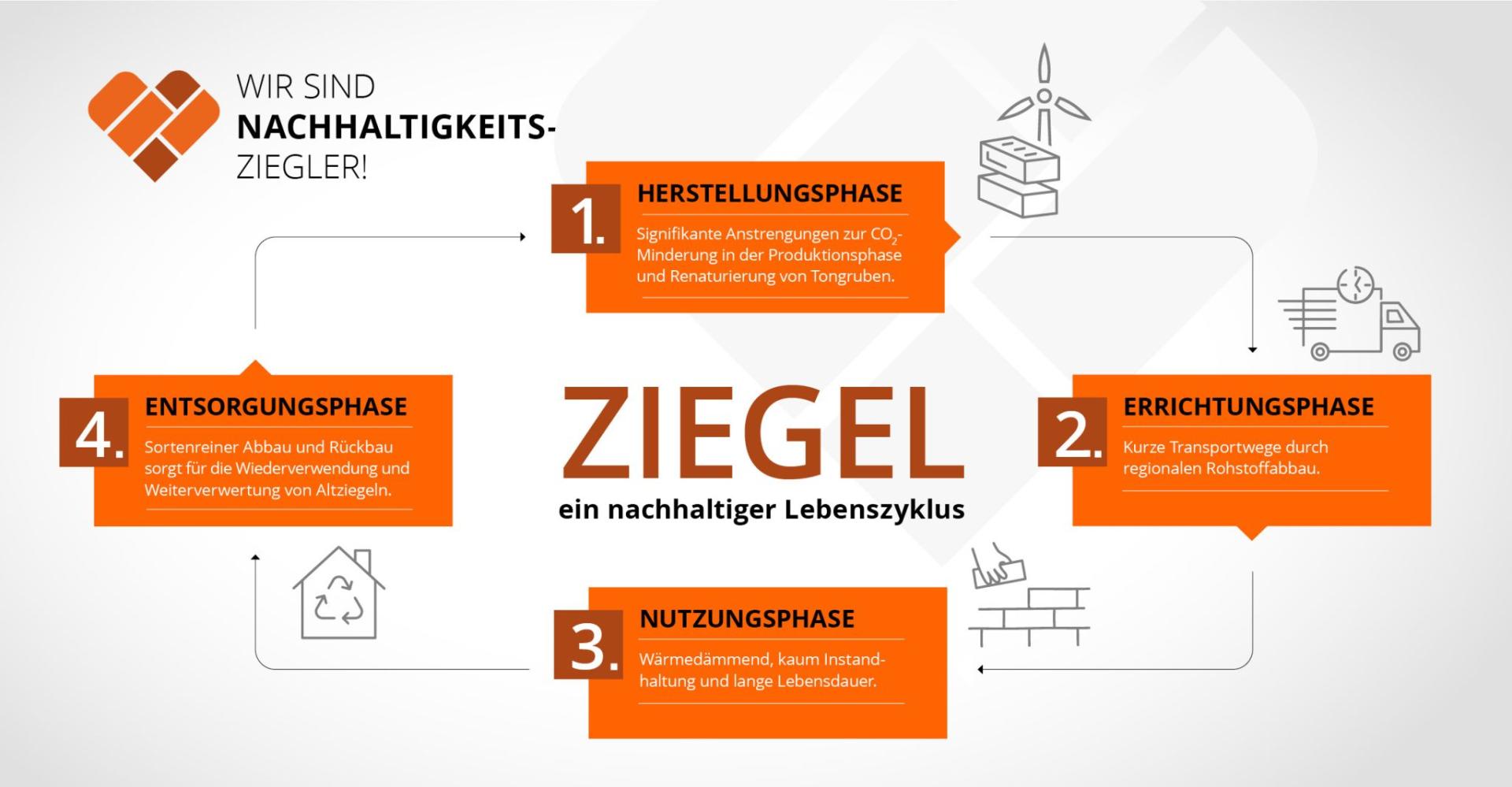
The Sustainable Life Cycle of the Brick
Brick is not only a symbol of solid construction but also a sustainable building material with an impressive life cycle. What does this look like in practice during each phase?
Manufacturing phase:
During brick production, enormous efforts are made to minimize CO2 emissions. For example, research is being conducted into more energy-efficient manufacturing technologies, and new firing techniques are being used. At the same time, we are committed to the restoration of clay pits to maintain the ecological balance.
Construction phase:
Brick scores points for short transport distances, as it is sourced from regional clay deposits. This reduces energy consumption and the environmental impact caused by long delivery routes during the construction phase.
Use phase:
Brick offers many advantages throughout a building’s service life. Its insulating properties help reduce energy consumption for heating and cooling systems. Furthermore, it requires virtually no maintenance; brick buildings can be passed down through generations and are characterized by an exceptionally long service life.
Disposal phase:
Brick also demonstrates its sustainability during the disposal phase. Through sorted demolition and dismantling, old bricks can be reused and recycled. This helps reduce waste and conserve resources.
"THE PATH WE HAVE CHOSEN, TO MANUFACTURE CLINKER AND ROOF TILES EXCLUSIVELY USING RENEWABLE ENERGY IN THE FUTURE, UNDERSCORES THE BRICK’S STATUS AS A BUILDING MATERIAL OF THE FUTURE."
The Roadmap: Climate-Neutral Production as a Goal
Its tremendous durability and virtually unlimited lifespan, as well as the ability to recycle or even completely reuse it, already make brick an exceptionally sustainable building material. But our goals are even higher: As a member of the executive board of the “Research Association of the German Brick Industry (Forschungsgemeinschaft der Deutschen Ziegelindustrie e.V.),” Röben helped develop the roadmap for climate-neutral brick production.
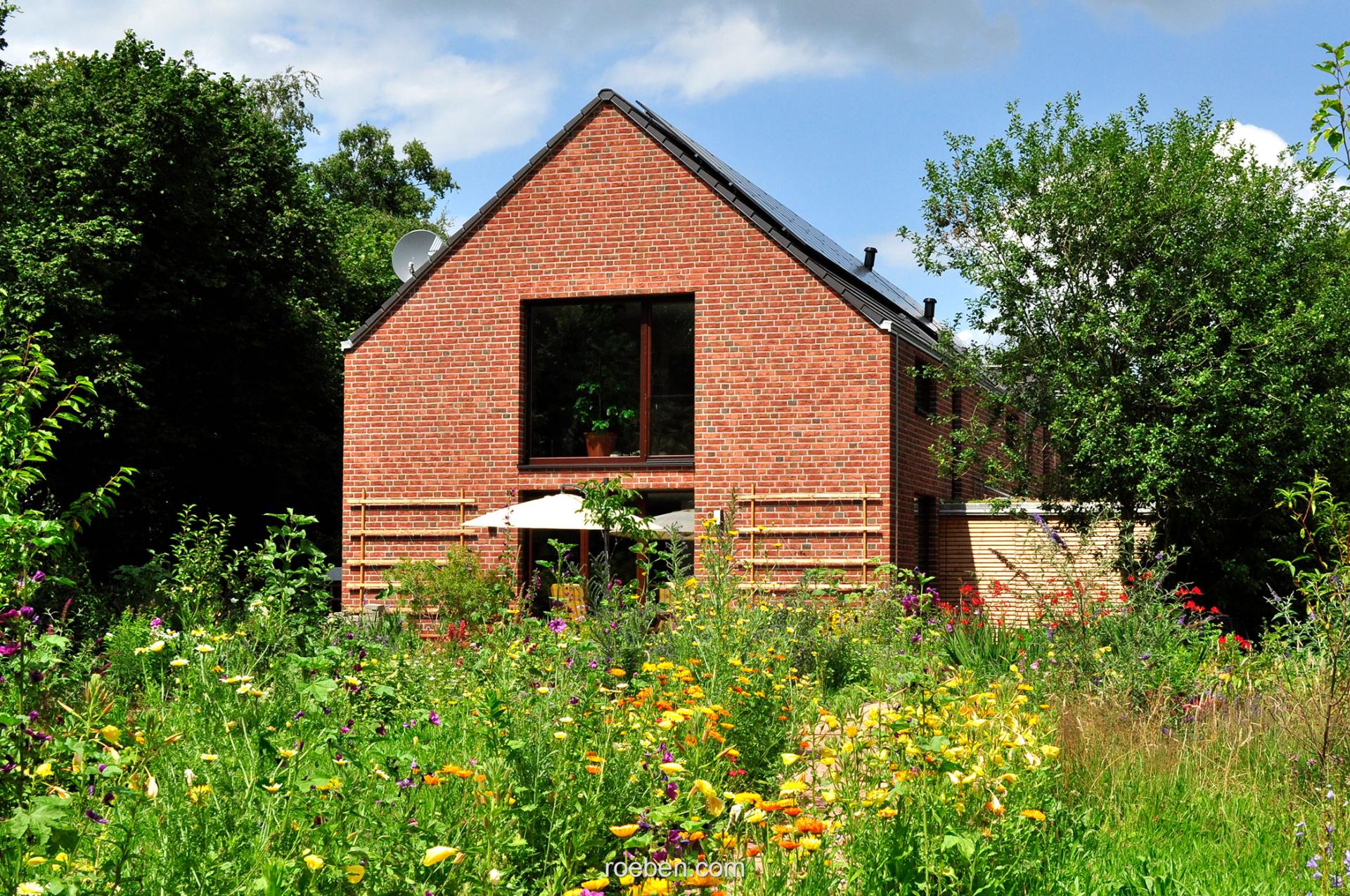
PLUS Energy House – The Approach Is the Benchmark!
In a quiet, established residential neighborhood in northern Oldenburg, local architect Ingo Gabriel designed a PLUS Energy House using solid, sustainable clinker brick construction. It produces more energy than its residents consume and is consistently geared toward sustainability—not just in terms of energy consumption: The architectural concept itself is designed for long-term, sustainable use—and the clinker brick ensures that anyway.
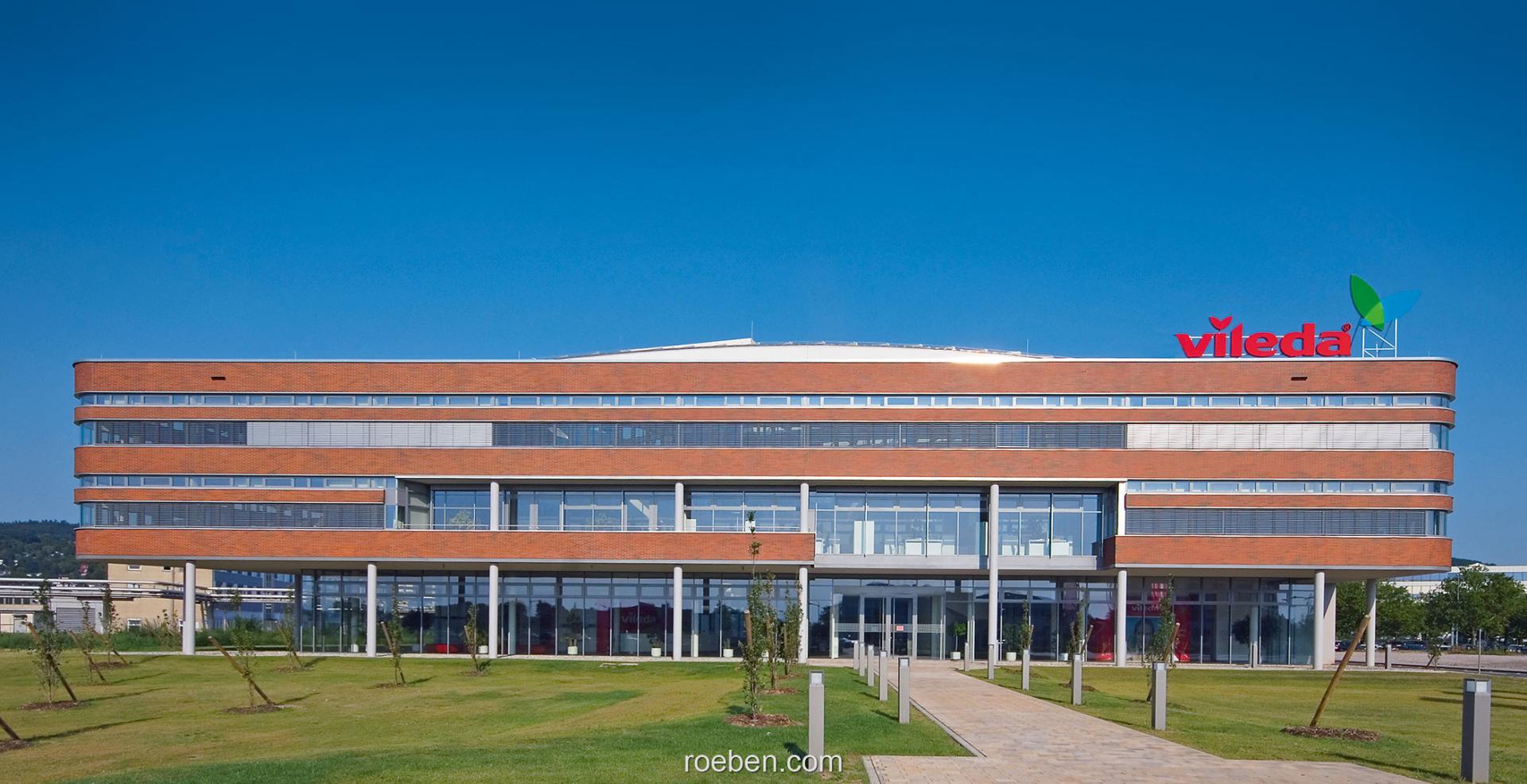
WEINHEIM: VILEDA HEADQUARTERS AWARDED SUSTAINABILITY CERTIFICATION
Based on the requirement to construct a resource-efficient, environmentally friendly, and cost-effective building, the architectural firm BAURCONSULT from Haßfurt designed a new three-story building for the headquarters of Freudenberg Haushaltsprodukte KG, featuring a distinctly modern exterior clad in glass and red Röben clinker brick strips. The building was awarded the DGNB Silver Seal of Quality for Sustainable Construction.
Green Train Station with Black Clinker Bricks
Deutsche Bahn had decided to replace the Wittenberg train station—which had been in urgent need of renovation for years—with a new building. To ensure that the result would not only be a green showcase project but also an architecturally striking structure, it was decided to feature a generously glazed exterior on one hand, while incorporating a sustainable clinker brick façade on the other.

Also interesting:
WWF Study: Wood Consumption Already Exceeds What Can Be Sustainably Harvested from Forests
“Even if we consider only the volume—that is, without taking ecological sustainability criteria into account—the local forest area in Germany would not be sufficient to meet domestic demand.” (WWF)
Brick and wood construction are nearly on par in terms of CO2 emissions and embodied energy
(Research Institute for Thermal Insulation e.V., Munich)